Prologue
Past, present and future of the Filarmónica.
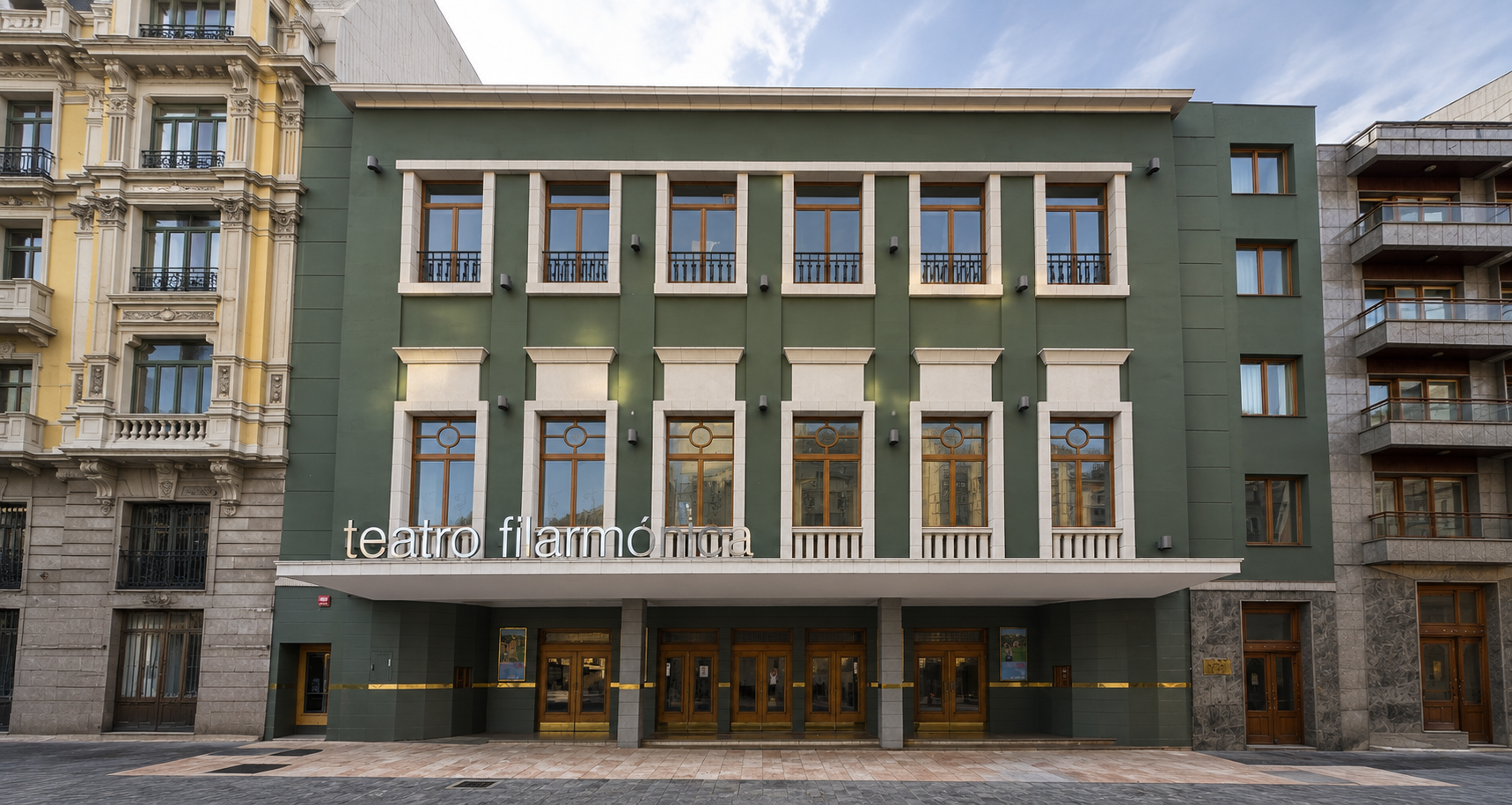
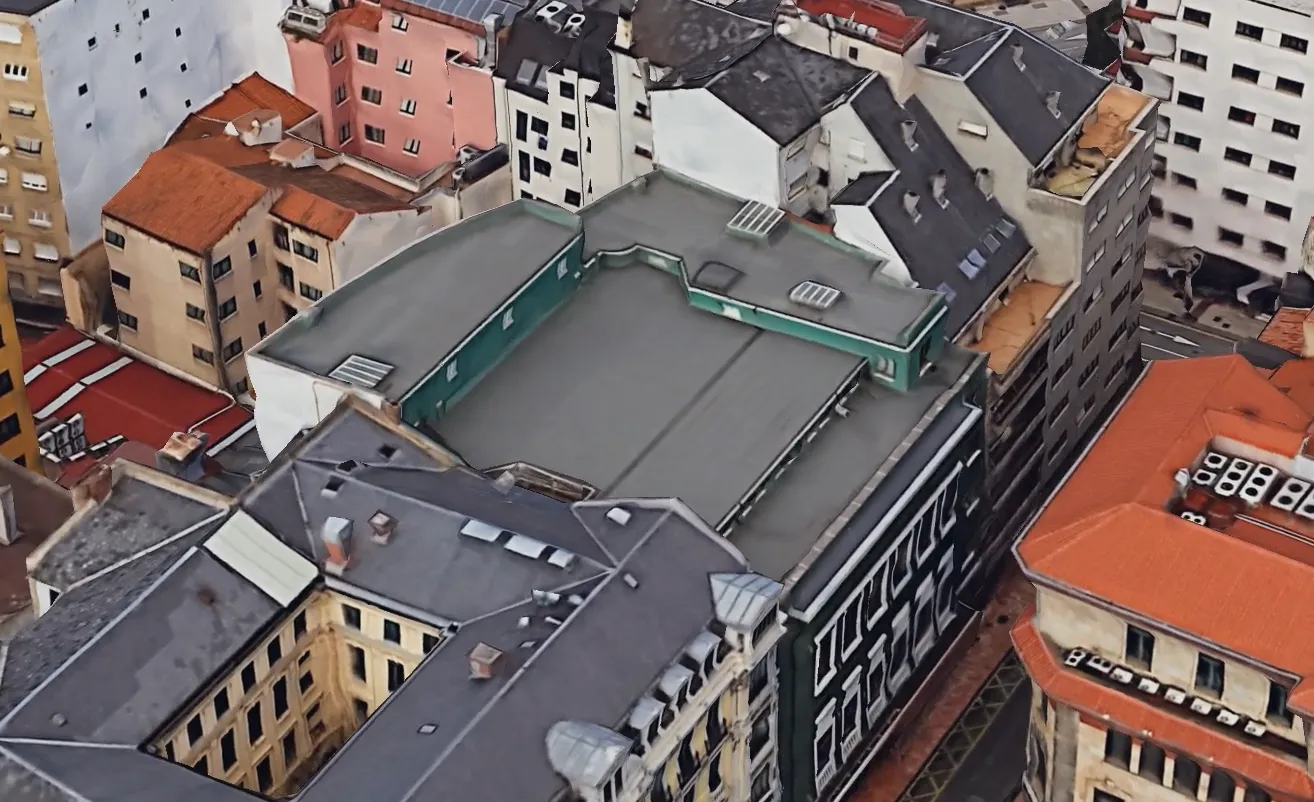
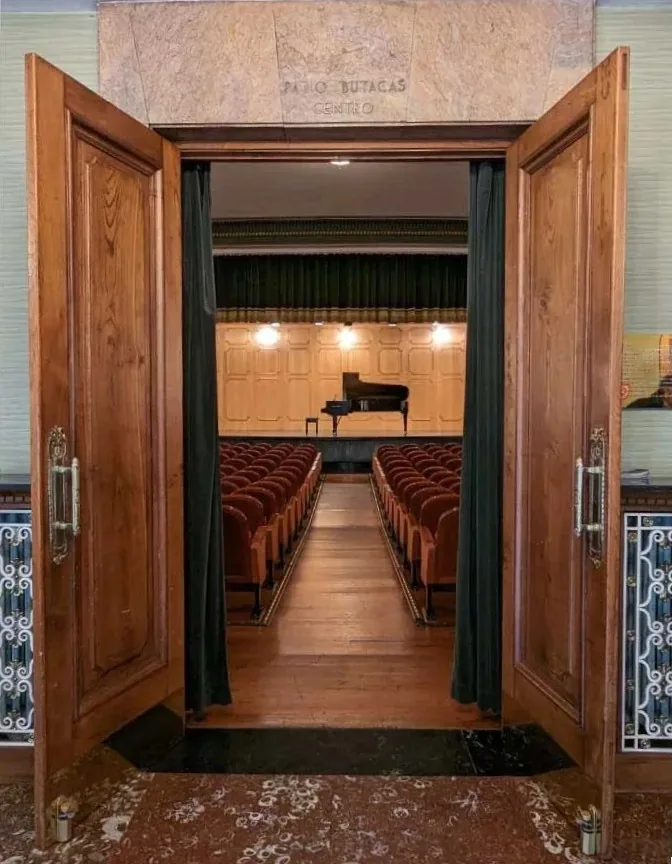
Since its inauguration in 1944 it has been the scene of countless events that are part of the musical memory of Oviedo.
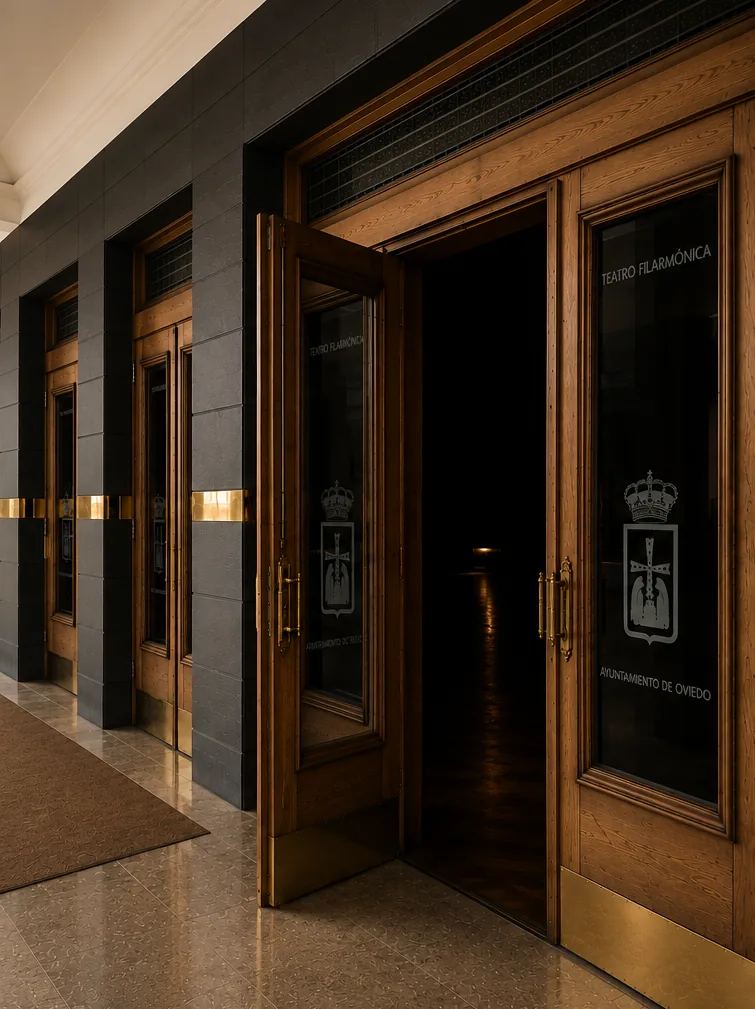
Today it is integrated into the network of cultural facilities managed by the City Council of Oviedo through the Municipal Foundation of Culture.
Act I
The Oviedo Philharmonic Society, founded in 1907, played a fundamental role in the development of the city’s musical life. Throughout the early decades of the 20th century, it fostered an intense programme of concerts that turned Oviedo into a point of reference for classical music in northern Spain.
The enthusiasm of audiences and the commitment of its members made it possible for musical activity to continue even during difficult periods in the country’s history.
(In December 1939 the Philharmonic Society had more than 1,700 members in a city of barely 40,000 inhabitants).
This cultural momentum ultimately led to the creation of a permanent venue for music: The FILARMÓNICA Theatre.
Interval
“Music is a greater revelation than all wisdom and philosophy”
(Ludwig van Beethoven)
The history of the Filarmónica Theatre begins with the desire to bring great music to Oviedo
Acto II
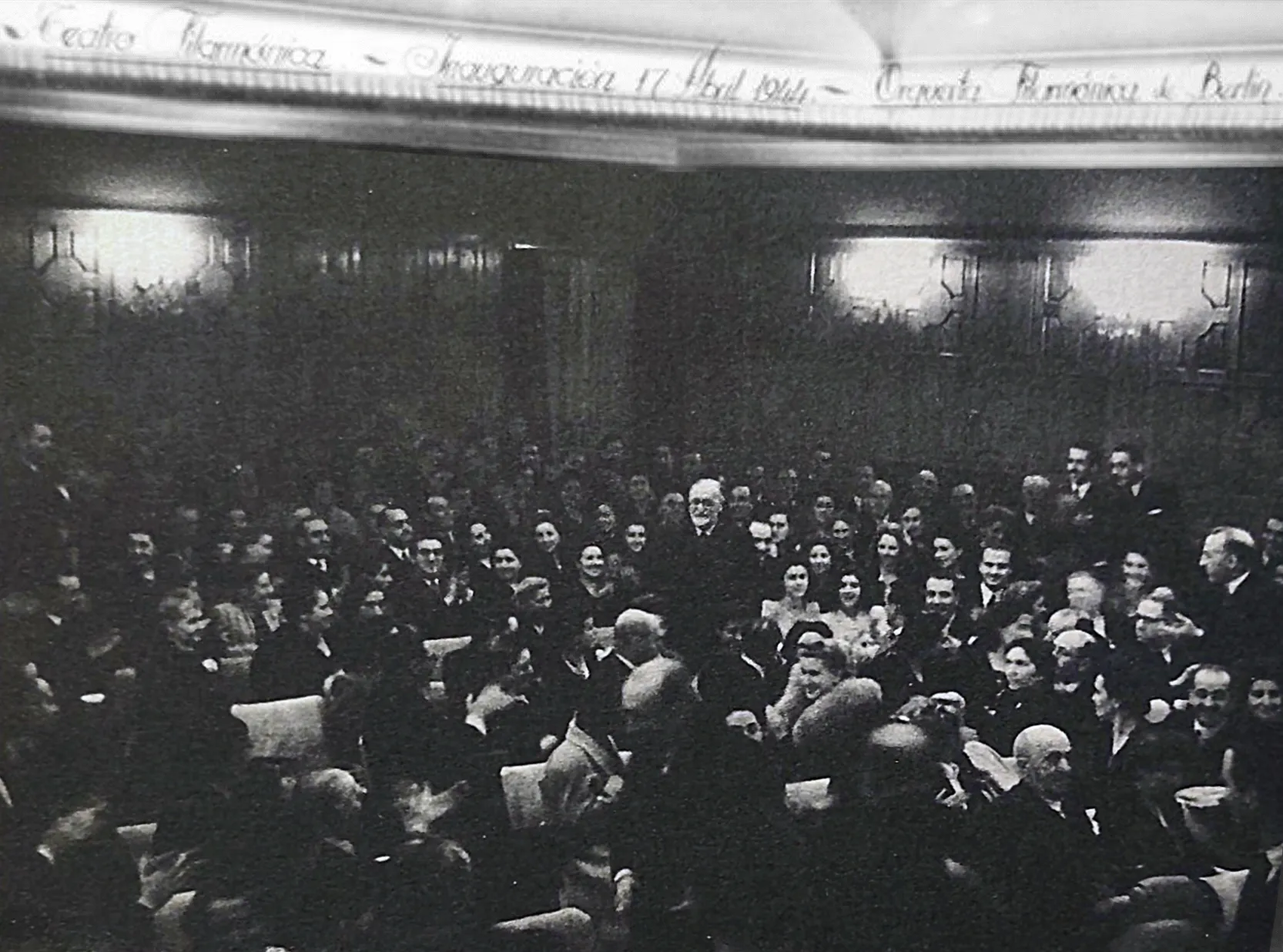
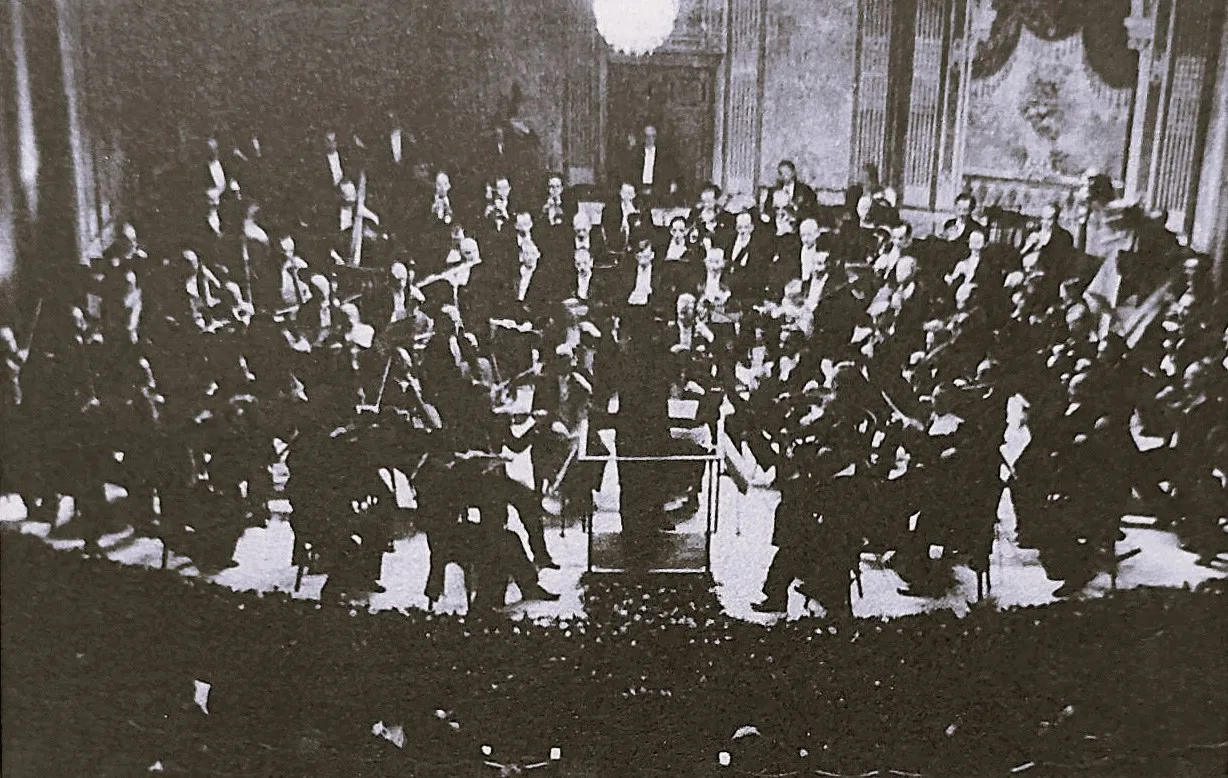
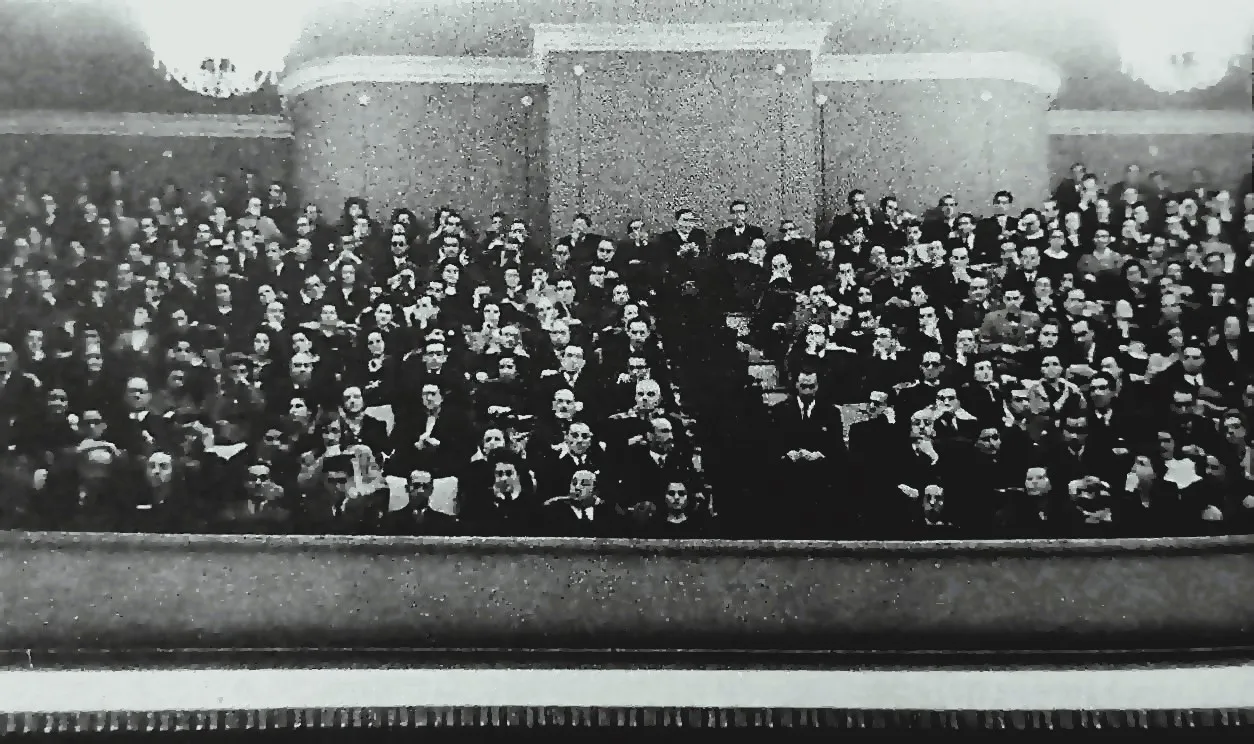
The Oviedo Philharmonic Theatre was inaugurated on 17 May 1944 in a particularly complex historical context, marked by the aftermath of the Spanish Civil War and the unfolding of the Second World War in Europe. Its creation was the result of an initiative led by the Oviedo Philharmonic Society, with the decisive support of its long-standing president, Plácido Álvarez-Buylla, and with the collaboration of numerous contributions from the public.
The Banco Asturiano donated the 871-square-metre plot on which the building was constructed, designed by the architect Ramón González Villamil.
It was an event of extraordinary cultural significance for the city. That evening, the Berlin Philharmonic gave the inaugural concert under the direction of Hans Knappertsbusch, performing the Lohengrin Prelude by Richard Wagner, among other works. The presence of one of Europe’s most prestigious orchestras turned the event into a historic moment in the cultural life of Oviedo.
Inaugural concert of the Oviedo Filarmónica Theatre, 17 May 1944
Interval
“Give me the best piano in Europe, but if the audience neither wants to nor feels what I am performing, I will lose all pleasure in performing”
Wolfgang Amadeus Mozart
Act III
The building of the Philharmonic Theatre reflects the restrained architectural style characteristic of the 1940s. Its design combines a clear, functional composition with a subdued aesthetic, close to the simplified classicism that spread across many European theatres of the period.
Over time, the building has undergone various interventions that have allowed it to maintain its cultural use and adapt to contemporary stage requirements.
Project by Ramón González Villamil, signed by F. Ruiz-Tilve Recreation of the original theatre preserved at the headquarters of the Philharmonic Society
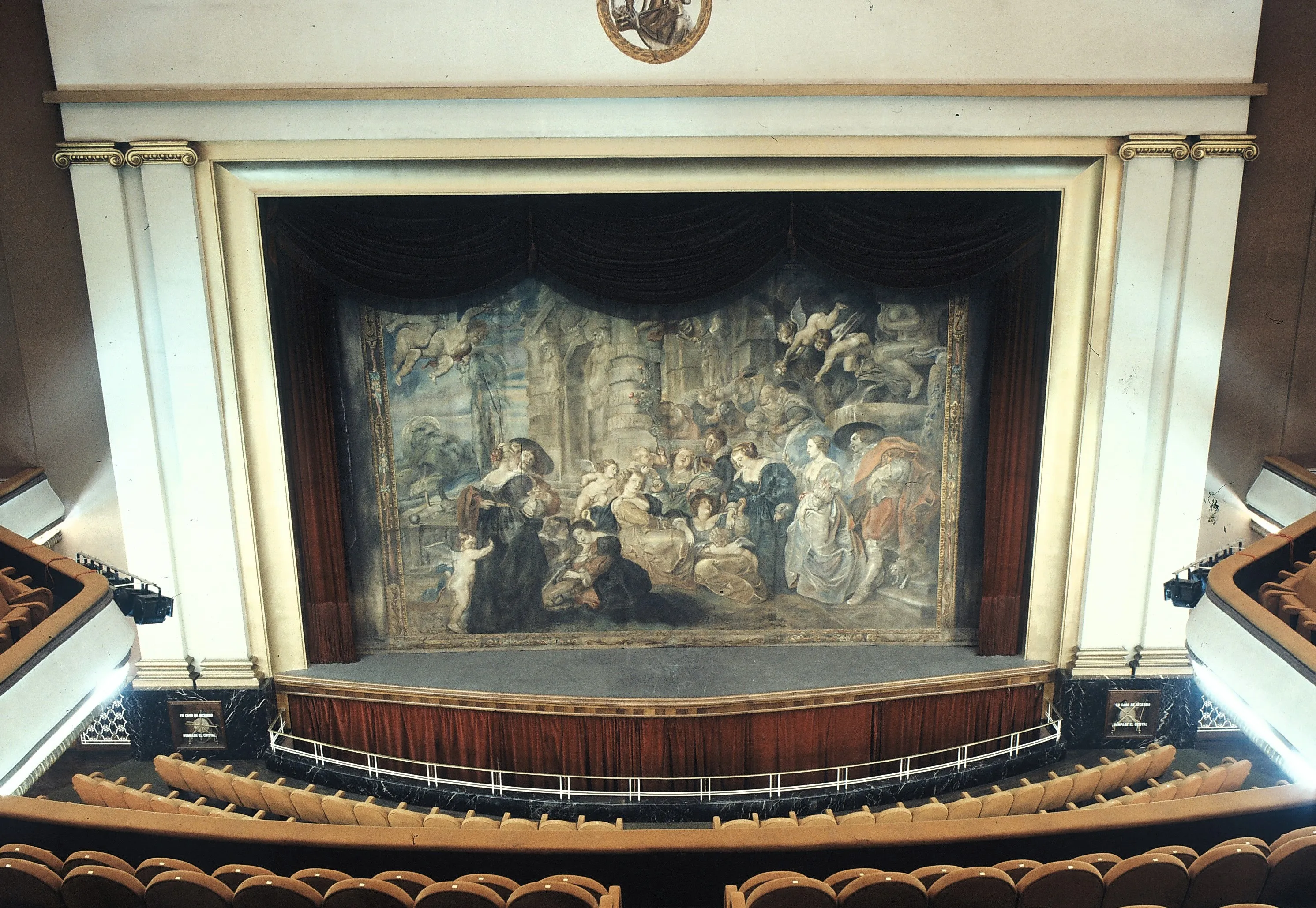
Until the 1990s, the theatre featured a stage curtain inspired by The Garden of Love by Peter Paul Rubens. A notable example of European Baroque art, it depicts a courtly and mythological scene set in an idealised garden, symbolising harmony and celebration. The presence of this tapestry enhanced the artistic character of the space, blending music and pictorial tradition into a single theatrical experience.
With later renovations of the theatre, the curtain ceased to be part of the regular stage setting, marking a shift towards a more technical and contemporary era.
© 1991 Luis Montoto
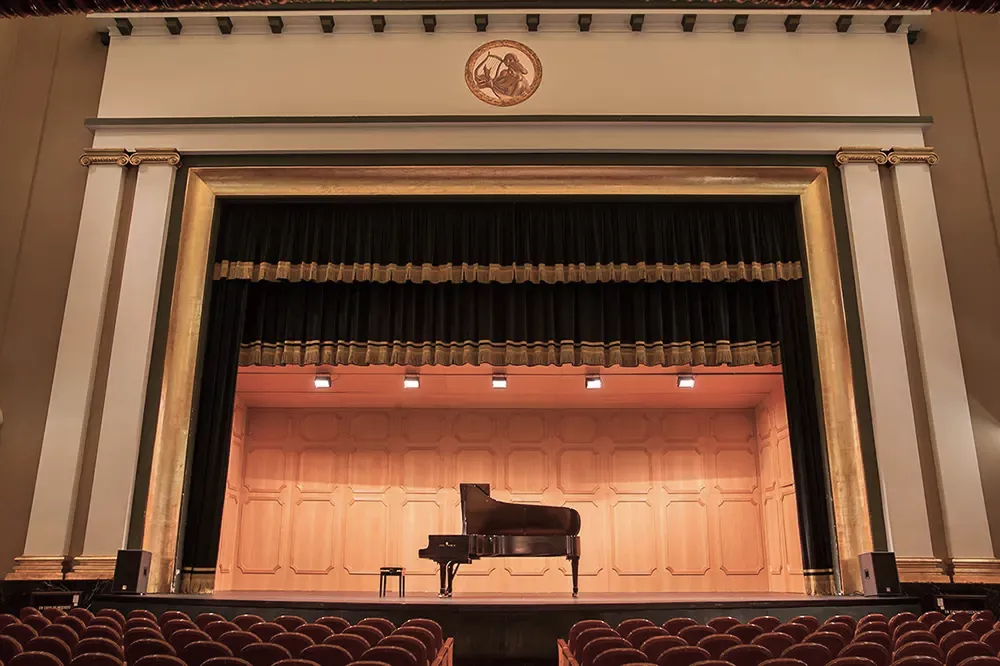
Piece by Paulino Vicente, 1944
On the stage curtain, the tempera motif made in 1944 by the artist Paulino Vicente stands out. It is an allegorical composition that shows two female figures inspired by Greek mythology. Inscribed in a circle that evokes continuity and harmony, the muses Euterpe and Erato symbolize music as eternal art.
Interval
"The purpose of art is washing the dust of daily life off our souls"
Pablo Picasso
Act IV
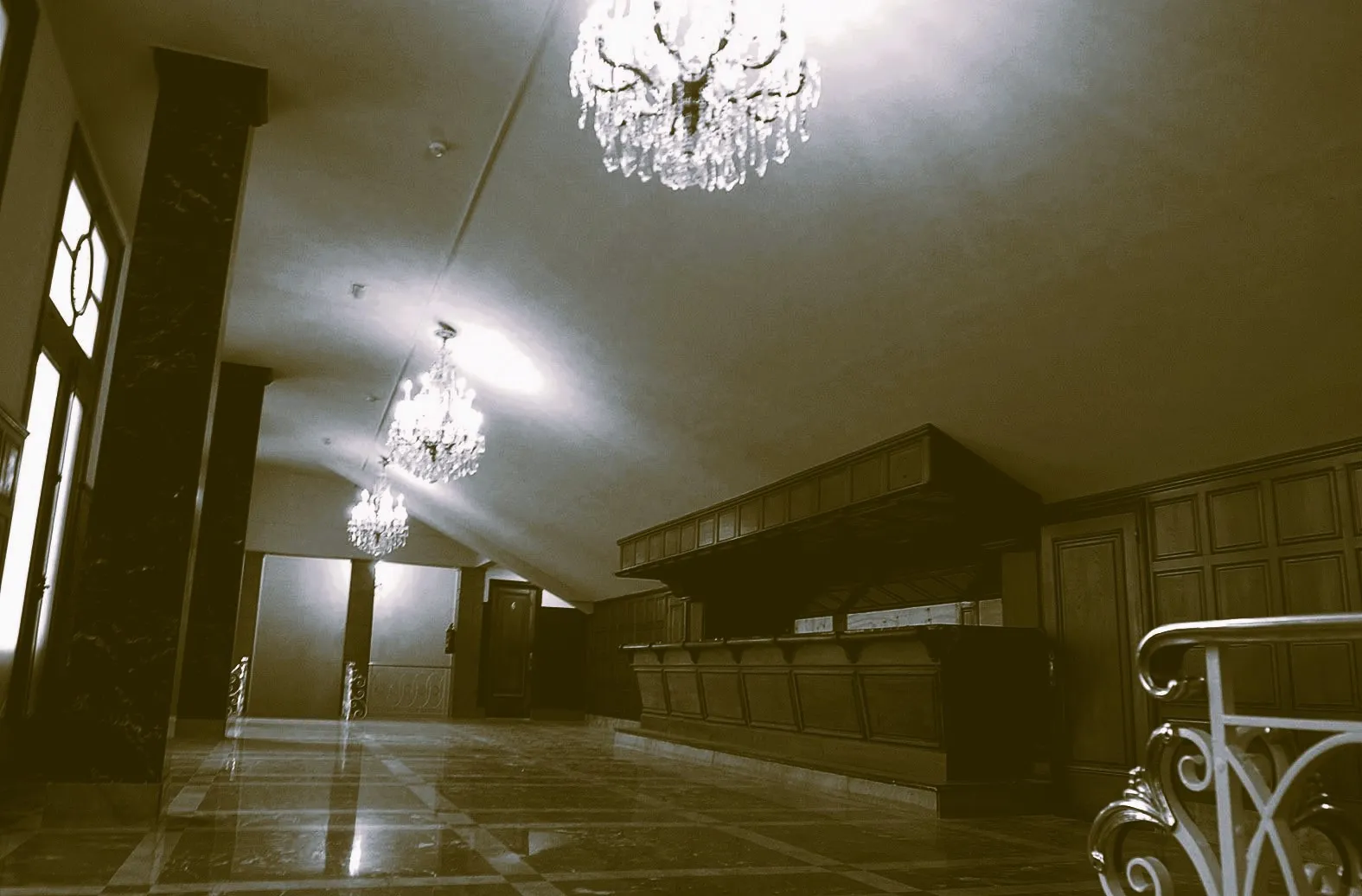
Like many historic performance buildings, the Filarmónica Theatre preserves small spaces and details that are part of its less visible history
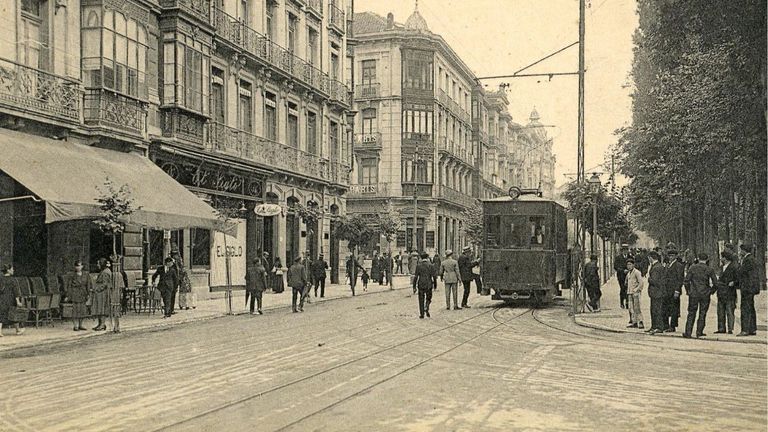
The pedestrianisation works on Mendizábal Street uncovered old tram tracks, recalling the urban history surrounding the theatre.
On the upper levels of the building there is this small room designed in the 1940s. It was never used for its intended purpose and today it serves as the theatre’s archive and storage space.
The Teatro Filarmónica was for many years a distribution point for the performing arts card, facilitating access for artists and professionals to the cultural circuit.
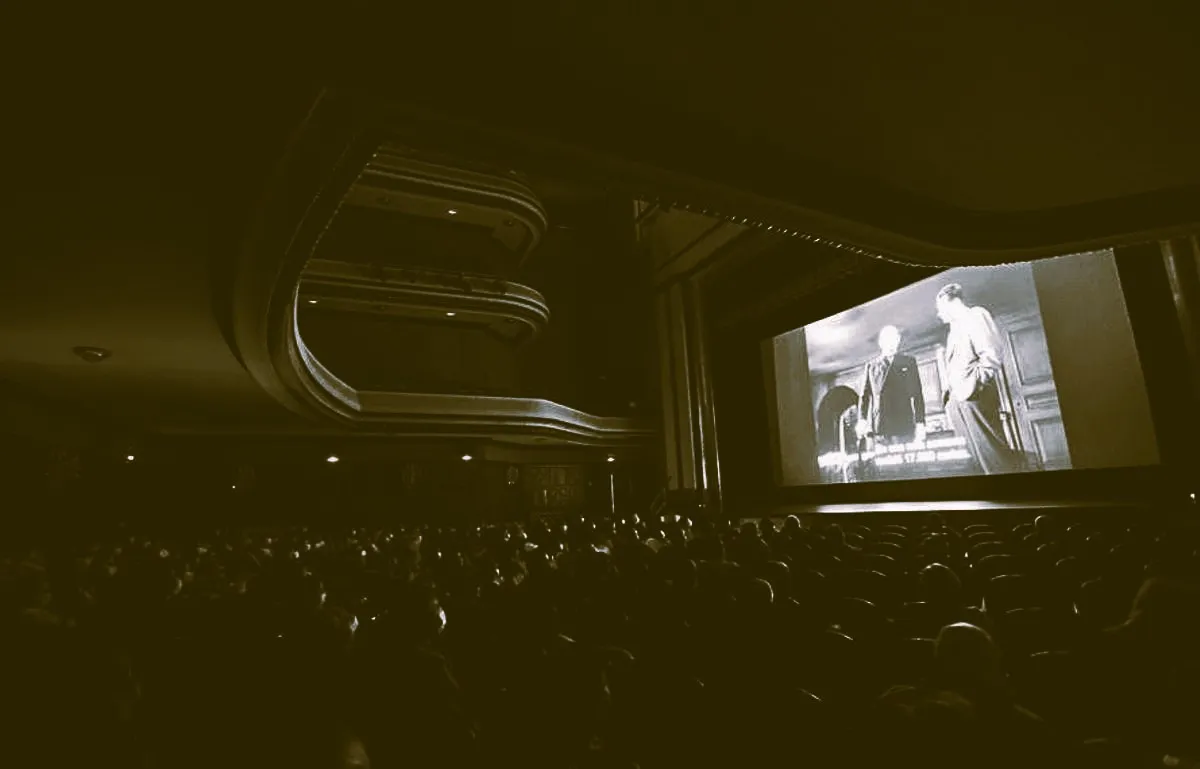
"North West Mounted Police", directed by Cecil B. DeMille, was the first film to be screened at the theatre.
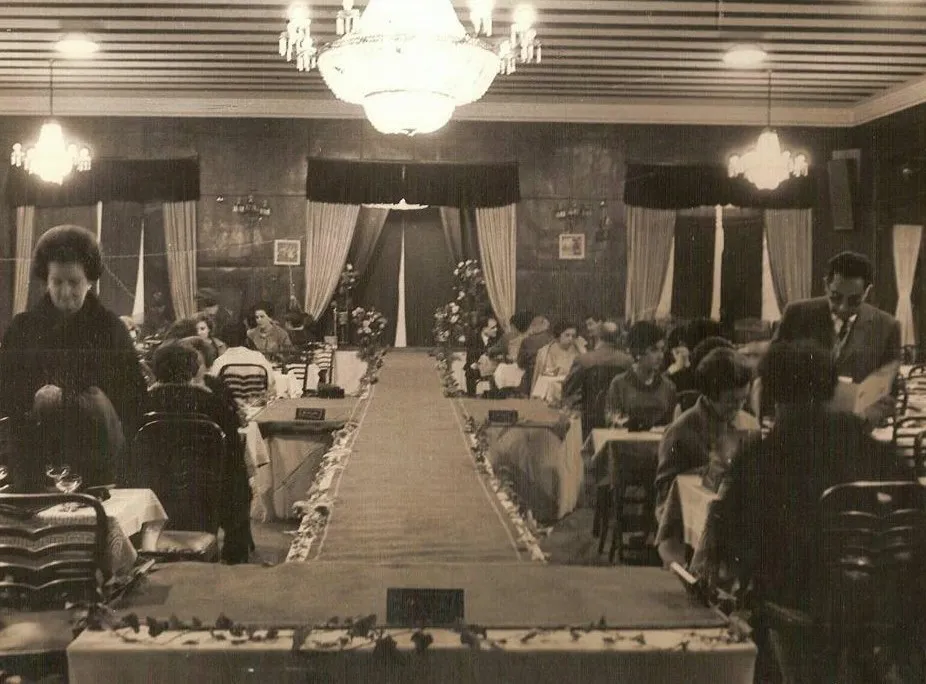
The basement of the theatre housed the Sala Alaska, an iconic venue where banquets, weddings, dances and various social events were held.
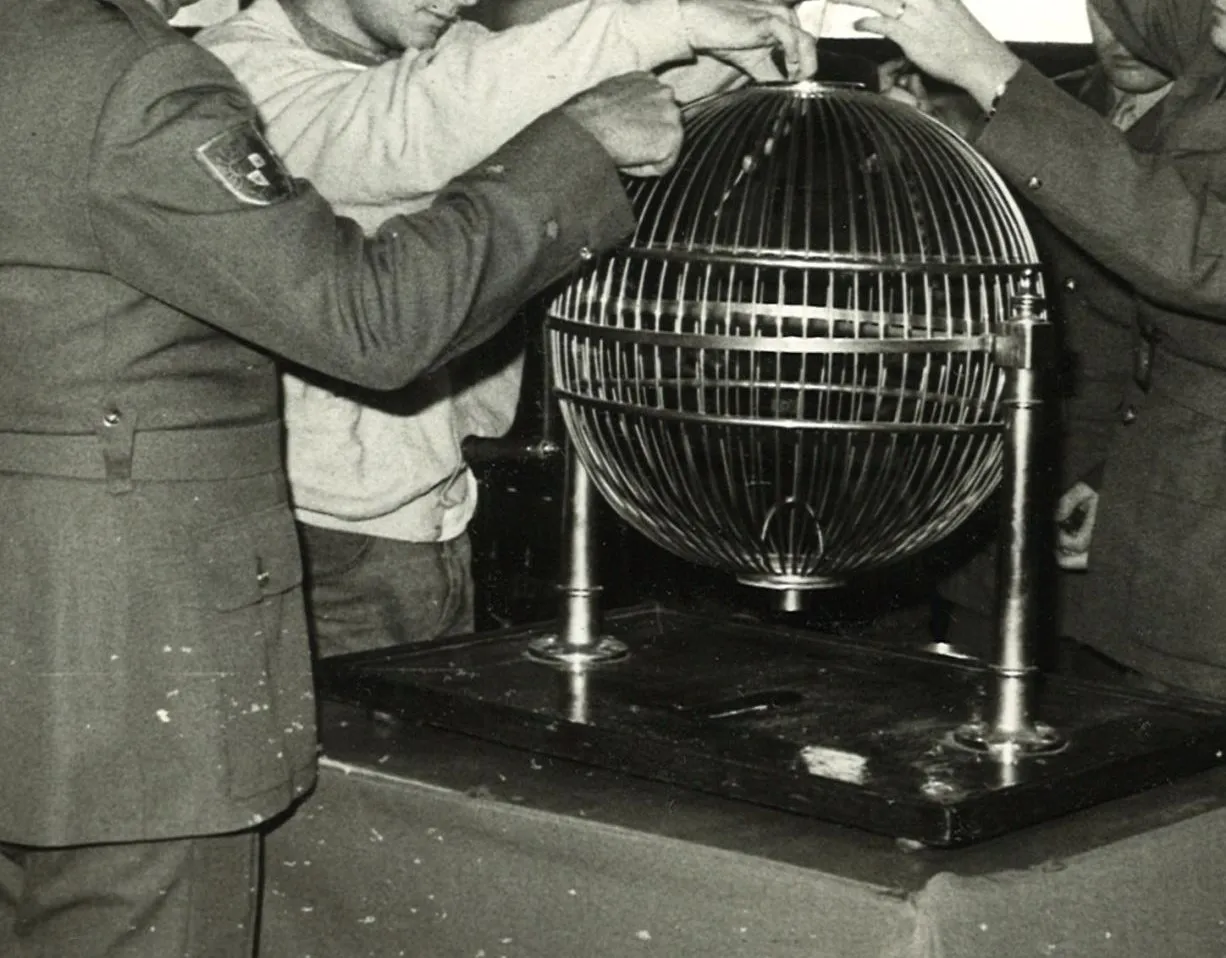
“In the 1970s, the Filarmónica Theatre in Oviedo hosted national service lotteries, highly tense events at which young men’s military futures were decided.”
The actor Héctor Alterio, who passed away a few days after his performance at the theatre, left one of his final stage appearances at the Filarmónica. His voice and his theatrical legacy remain closely associated with this venue.
Interval
"Every theatre preserves the memory of the voices that have filled it"
Wolfgang Amadeus Mozart
Epilogue
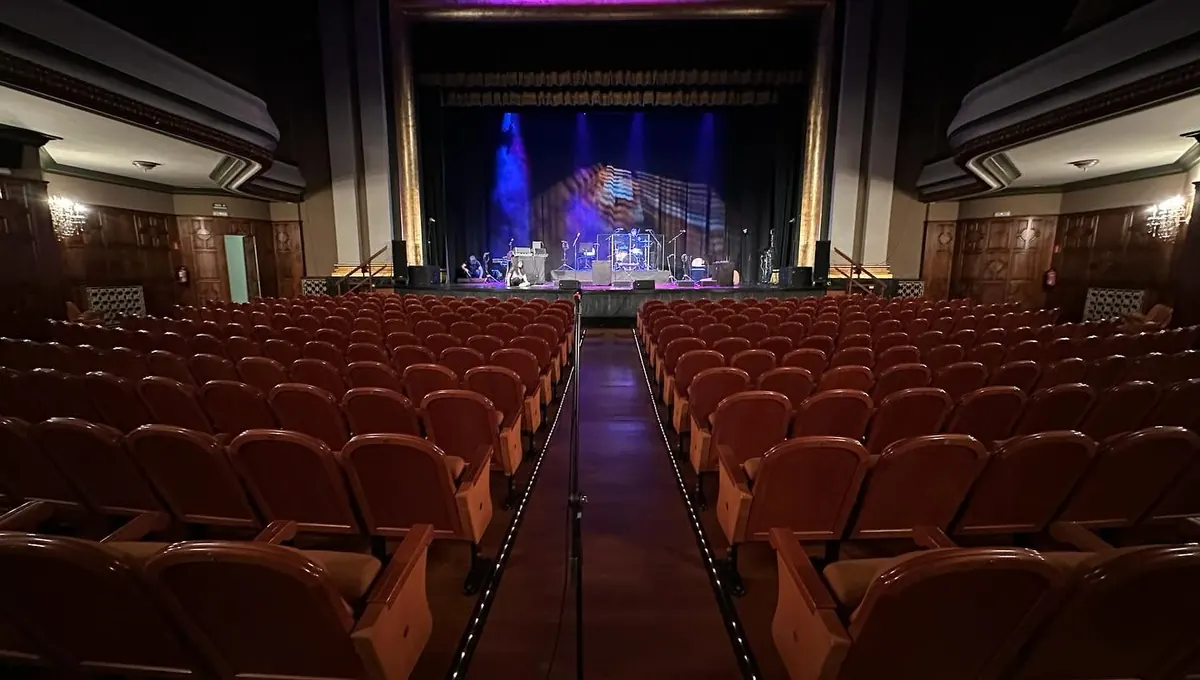
Since its inauguration, the building has undergone several renovations aimed at improving its facilities and adapting them to the technical needs of its programming. Throughout its history, it has hosted concerts, theatrical performances, lectures, and series of film screenings, making an enduring contribution to the city’s cultural artistic landscape.
The Filarmónica Theatre has established itself as one of the pillars of Oviedo’s cultural life and a place where the city’s musical memory continues to be written with every concert.
Take a journey through the history and memory of Oviedo’s most iconic stages, where the echoes of applause still linger and the voices of theatres long since gone seem to remain suspended in time, alongside those that continue to shape the present and future of the city’s performing arts scene.
Download the complete technical specification sheet, including theatre plans, stage equipment and all the information required by touring companies, producers and technical teams.