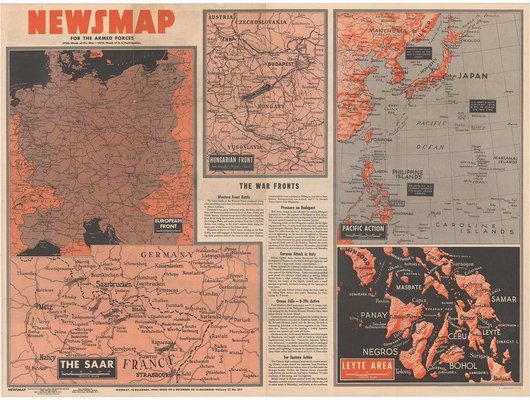
Europe - Internacional Context
The German army begins its withdrawal from Monte Cassino in Italy.
Barely three weeks later, on 6 June, the Normandy landings were to commence, marking the climactic final phase of the Second World War.
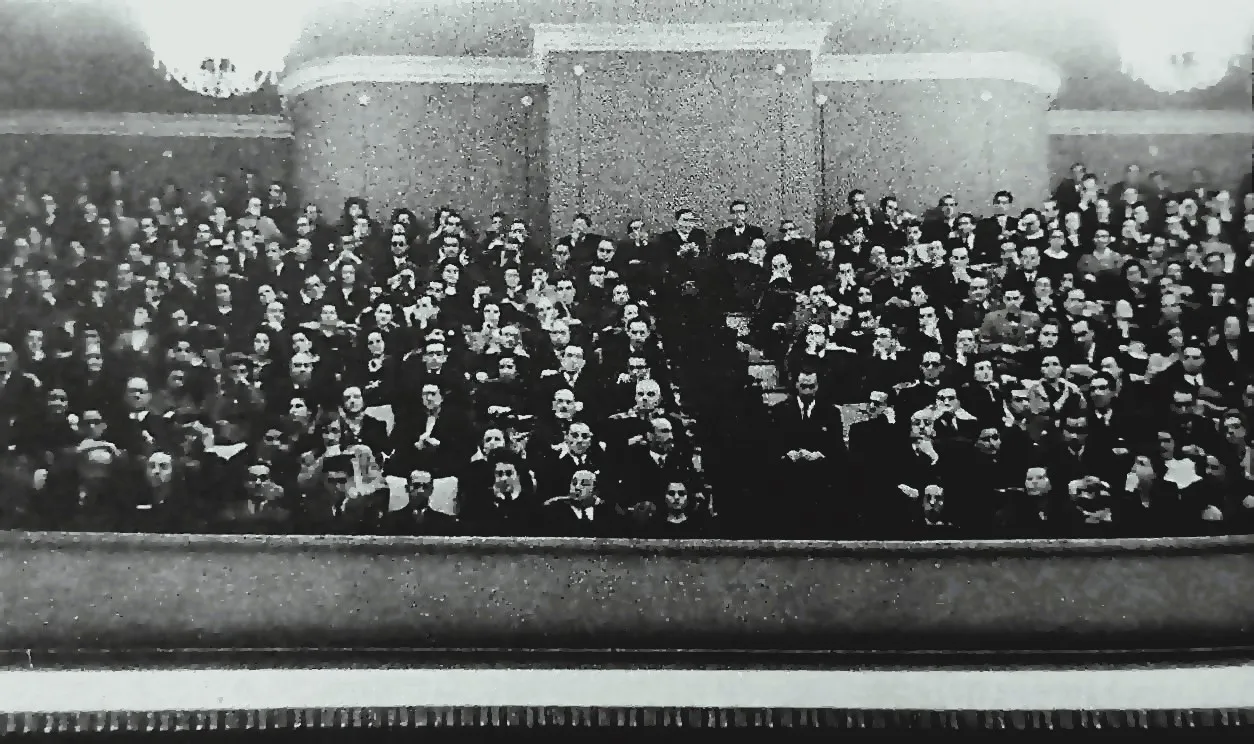
Oviedo - Inaugural Concert
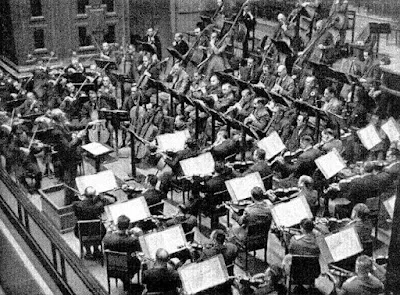
The Berlin Philharmonic, conducted by Hans Knappertsbusch, performs the Prelude to Lohengrin.
The orchestra’s journey to Oviedo represented an extraordinary amidst the turmoil of war, firmly establishing the city upon the international cultural map.
Europe - Culture and Survival
While Europe was burning, the musicians helped their families by transporting scarce food supplies.
The audience accompanied the musicians to their hotel. Some musicians carried coffee and tobacco for their families in Berlin, combining culture and survival.
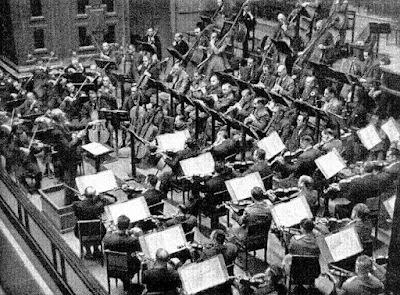
Oviedo - Symbol of Reconstruction
Building the theatre in 1944 was an act of confidence in the future.
Since its inauguration, it has established itself as a leading cultural venue, keeping alive its vocation for dialogue between music and the performing arts.
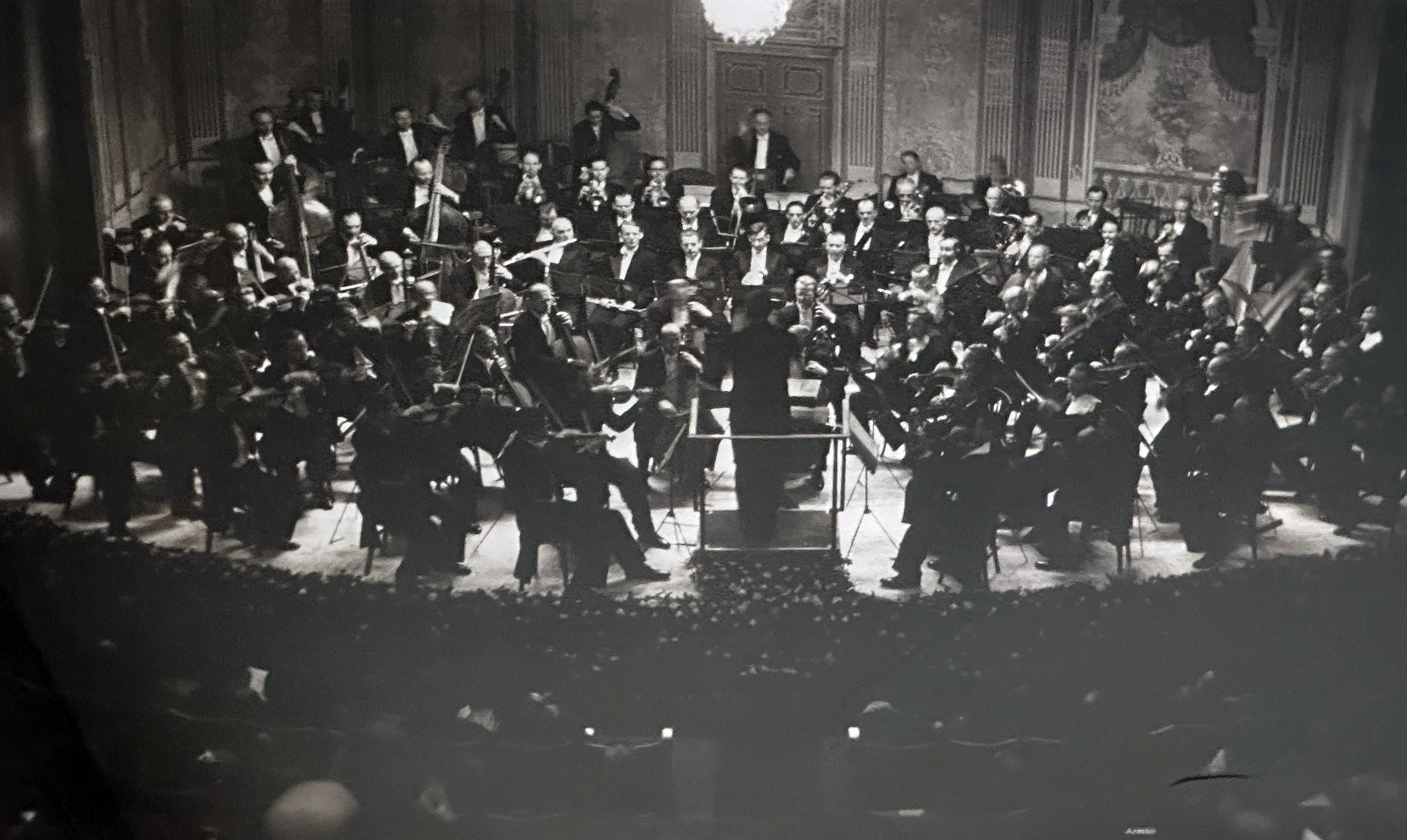
Europe - Oviedo at dawn
Beethoven’s music brought the concert to a close at one o’clock in the morning.
Weeks later, the orchestra would cross France under bombardment. The theatre’s inauguration represented hope and culture in difficult times.